




Confirm flakes/liquid strength, required concentration, dosing method, heat generation risk, and material compatibility before supply. Add alkali slowly into water with cooling and PPE; avoid incompatible metals and acids unless the process is controlled....
Chemical
Ethylene Glycol
Ethylene glycol (ingested) can cause developmental toxicity according to The National Toxicology Program.
Quick Profile
107-21-1
CAS Number
Visitor view | Chemical
Understand This Chemical
Ethylene glycol (ingested) can cause developmental toxicity according to The National Toxicology Program.
107-21-1
CAS Number
Pakistan | Pakistan
Use the profile data, overview, and related items below to compare this resource before sending an enquiry.
Chemical Data
Identity, specification, handling, supply, and application fields are grouped for quick technical review.
| CAS Number | 107-21-1 |
|---|---|
| PubChem CID | 174 |
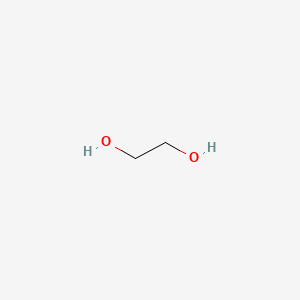
| IUPAC Name | ethane-1,2-diol |
| Synonyms | ETHYLENE GLYCOL, Ethane-1,2-diol, 107-21-1, 1,2-ethanediol, glycol, monoethylene glycol, 2-hydroxyethanol, 1,2-Dihydroxyethane, Glycol alcohol, Ethylene alcohol, Fridex, Tescol, Norkool, Ethylene dihydrate, Zerex, ethanediol, Macrogol 400 BPC, Dowtherm SR 1, Ucar 17, Lutrol-9, Aethylenglykol, 1,2-Ethandiol, DTXSID8020597, 146AR |
| Molecular Formula | C2H6O2 |
| Molecular Weight | 62.07 |
| SMILES | C(CO)O |
| InChI Key | LYCAIKOWRPUZTN-UHFFFAOYSA-N |
| InChI | InChI=1S/C2H6O2/c3-1-2-4/h3-4H,1-2H2 |
| Available In | Pakistan |
| Serving Areas | Pakistan |
| Application | Reference context: Ethylene glycol (ingested) can cause developmental toxicity according to The National Toxicology Program. pH adjustment, neutralization, alkaline cleaning, CIP support, drain/process cleaning, and formulation enquiries where concentration and compatibility are reviewed. Commonly evaluated for water-treatment, detergent, textile, soap, petroleum, and industrial maintenance applications. Coagulation, flocculation, turbidity reduction, sludge-settling support, and wastewater or raw-water clarification enquiries. Suitable for jar-test-led product selection where pH, TSS, COD/BOD, color, and target discharge quality are known. |
| Usage Notes | Confirm flakes/liquid strength, required concentration, dosing method, heat generation risk, and material compatibility before supply. Add alkali slowly into water with cooling and PPE; avoid incompatible metals and acids unless the process is controlled. Request water sample data and run jar testing before confirming dose, product type, and feed arrangement. Confirm pH operating window, dilution water, mixing energy, settling time, sludge handling, and storage compatibility. |
Usage & Applications
Practical buyer-facing context separated from the reference table for easier scanning.
Confirm flakes/liquid strength, required concentration, dosing method, heat generation risk, and material compatibility before supply.
Add alkali slowly into water with cooling and PPE; avoid incompatible metals and acids unless the process is controlled.
Request water sample data and run jar testing before confirming dose, product type, and feed arrangement.
Confirm pH operating window, dilution water, mixing energy, settling time, sludge handling, and storage compatibility.
Reference context: Ethylene glycol (ingested) can cause developmental toxicity according to The National Toxicology Program.
pH adjustment, neutralization, alkaline cleaning, CIP support, drain/process cleaning, and formulation enquiries where concentration and compatibility are reviewed.
Commonly evaluated for water-treatment, detergent, textile, soap, petroleum, and industrial maintenance applications.
Coagulation, flocculation, turbidity reduction, sludge-settling support, and wastewater or raw-water clarification enquiries.
Suitable for jar-test-led product selection where pH, TSS, COD/BOD, color, and target discharge quality are known.
Ethylene glycol (ingested) can cause developmental toxicity according to The National Toxicology Program.
Ethylene glycol (IUPAC name: ethane-1,2-diol) is an organic compound (a vicinal diol) with the formula (CH2OH)2. It is mainly used for two purposes: as a raw material in the manufacture of polyester fibers and for antifreeze formulations. It is an odorless, colorless, flammable, viscous liquid. It has a sweet taste but is toxic in high concentrations. This molecule has been observed in outer space.
Enquiry and chat area starts here
This section is separate from the resource notes and stays linked with this page.
Client Chat
Discuss Ethylene Glycol with our team
This conversation will stay linked with this page reference inside your client dashboard.
Chemical
Ethylene Glycol
Reference page
Please log in to start a chat and see updates on this activity in your client dashboard.
Login to Start ChatStructure & Safety
Structure Preview
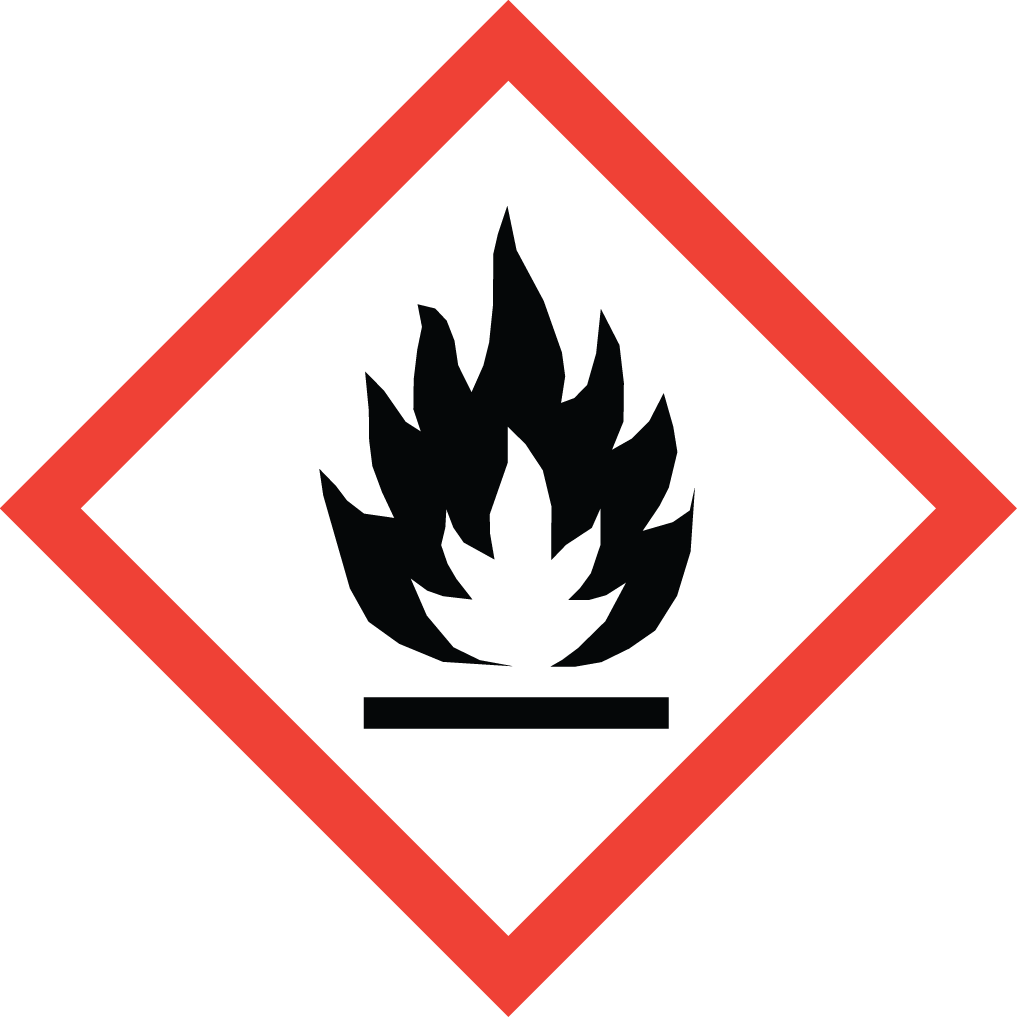
Selected GHS Pictograms
Flame
Flammable materials, self-reactives, and pyrophorics.
Resource information ends here
Related products, FAQ, and linked references start below.
FAQ
What is Ethylene Glycol and where is it supplied?
CAS Number: 107-21-1. Available in Pakistan. Serving areas include Pakistan.
What are the main applications of Ethylene Glycol?
Reference context: Ethylene glycol (ingested) can cause developmental toxicity according to The National Toxicology Program. pH adjustment, neutralization, alkaline cleaning, CIP support, drain/process cleaning, and.
How can buyers request a quote for Ethylene Glycol?
Use the quote or enquiry action on this page to send a Pakistan market enquiry directly: https://waterchemicalssolution.com/enquiry-portal/?enquiry_mode=physical&resource_id=2235&product_name=Ethylene%20Glycol&type=Chemical&cas_number=107-21-1&market=Pakistan&serving_areas=Pakistan